
Introduction
Last updated on 2026-06-22 | Edit this page
Estimated time: 8 minutes
Overview
Questions
- What are Pull Requests (PRs)?
- How do PRs help with software development?
Objectives
- Become familiar with the purpose of PRs.
What are Pull Requests?
To borrow from Rachel Garner, “Software developers use pull requests, otherwise known as PR, to initiate the process of integrating new code changes into the main project repository. Pull requests are sent through git systems, like GitLab, GitHub, and BitBucket, to notify the rest of your team that a branch or fork is ready to be reviewed.”
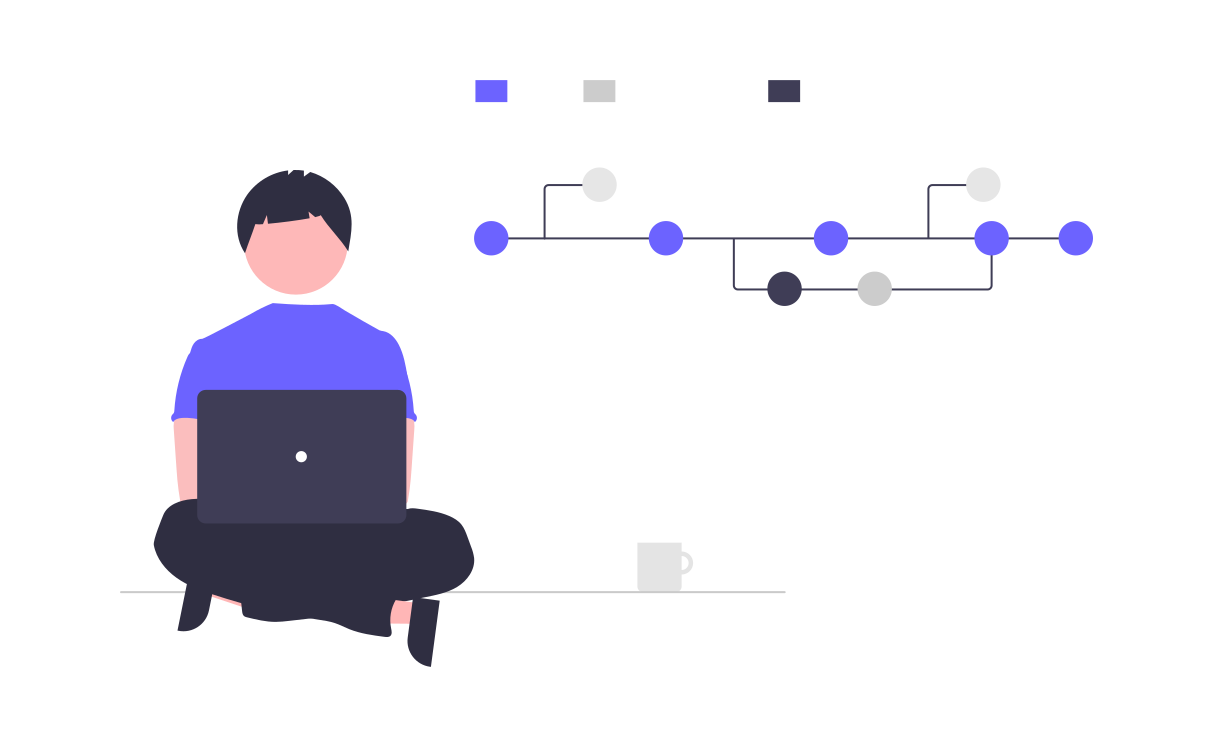
In other words, PRs are a mechanism for introducing and merging changes into a code base in a manner that enables discussion and collaboration.
In this lesson, students will learn about better practices for GitHub PRs.
Back to the StarSort team!
Remember StarSort, the (fictional) telescope-image tool from the Issue Tracking lesson? Last time, you filed a bug report. Today you get to fix it — you’ll open a pull request with the fix, get it reviewed by a teammate, and merge it in. That’s the full contributor loop.
(As before, everything happens in your own practice
repository — StarSort is just the story. Didn’t do the Issues
lesson? No problem: anywhere we say “fix the StarSort bug,” just make a
small change to your README.md instead.)
Where does genAI fit?
Generative AI (LLMs like ChatGPT and Claude) is genuinely useful around PRs: drafting a clear description from your diff, generating a PR template, summarizing a giant changeset for a reviewer, even doing a first-pass review. We’ll flag the most useful spots — with the usual catch: AI drafts, you review.
How Pull Requests Fit in the Development Process
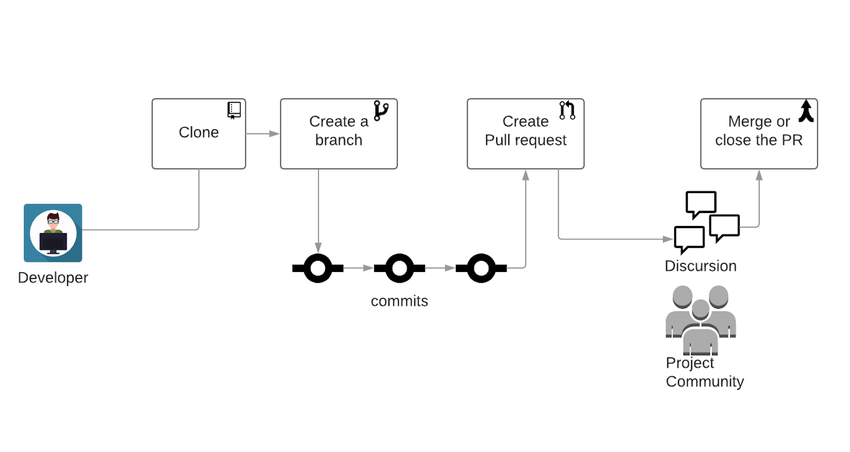
The development workflow can have several different formats; however, a simple one is this:
- Create a feature branch
- Make changes and commit back to the feature branch
- Open a Pull request
The Benefits of Pull Requests
Why route changes through a PR instead of committing straight to
main?
| Benefit | What it gives you |
|---|---|
| Collaboration | A place for others to see and comment on proposed changes before they land. |
| Reduced risk | Teammates can catch bugs, regressions, and risky choices early. |
| Higher quality | No one person knows everything — a second set of eyes improves the code. |
GitHub Pull Requests
GitHub builds branching and merging right into version control: every project can use the Pull requests tab in the repository navigation bar to open, discuss, and merge PRs.

Browsing Open PRs
Let’s peek at a real project’s PR queue. Navigate to https://github.com/spack/spack and find the pull requests page.
- How many PRs are currently open?
- How many have been closed?
- Who is the author of the top-most PR?
Open/closed counts are the toggles at the top of the PR list; the top PR’s author is shown right under its title. Numbers change constantly — a busy project like spack merges PRs all day long.
- Pull Requests are a way to control the introduction of new content into a shared repository.
- Pull Requests enable better collaboration for multiple developers.