
Instructor Notes
Timing and Schedule
This lesson is designed to fit a 2-hour slot taught in two parts:
- Session 1 — 75 min
- Break — 15 min
- Session 2 — 45 min
The two LEGO ™️ exercises (house in Waterfall, car in Scrumban) are the heart of the lesson and need uninterrupted time. The schedule is built around them: the Waterfall build sits early in Session 1, and the Scrumban build opens Session 2 (right after the break) so attendees tackle it while fresh.
Session 1 (75 min)
| Time | Segment | Notes |
|---|---|---|
| ~10 min | Introduction | Definition, who needs PM, SDLC phases, “When do you need it?” brainstorm |
| ~30 min | The Waterfall Model | ~5 min theory + the Build a House exercise (22 min) |
| ~10 min | The Agile Methodology | Manifesto + four values (no exercise) |
| ~20 min | Agile Development (theory only) | Scrum, roles, estimation, Kanban, MoSCoW — stop before the Scrumban exercise |
| — BREAK (15 min) — | Break here, at the marked point before the Scrumban exercise |
Session 2 (45 min)
| Time | Segment | Notes |
|---|---|---|
| ~35 min | Scrumban exercise | The Build a Car exercise: vision + backlog + three ~8-min sprints |
| ~5 min | Choosing a Methodology | Comparison table, hybrids, quick discussion |
| ~5 min | GenAI in Project Management | Wrap-up discussion; light if time is short |
Running tight on time?
- The GenAI episode is discussion-based and the easiest to compress or assign as a follow-up.
- In the Choosing episode, the “Which fits your project?” discussion can be shortened to a single show-of-hands question.
- Do not cut time from the two LEGO builds — they are the point of the session. If you must trim, take it from the Waterfall build step (the failure reveal, not a polished house, is what teaches) before touching the Scrumban sprint loop.
Exercise Timing Details
Build a House (Waterfall): 6 min requirements + 4 min design + 10 min build + 3 min review = 23 min. Customers describe their house without showing the picture; attendees may not talk to the customer once building begins.
Build a Car (Scrumban): 4 min vision + 4 min backlog, then three sprints of ~8 min each (2 min plan / 4 min build / 2 min review) = 32 min. The deliberately longer planning step is where the methodology lives — prioritizing and re-planning between sprints is the skill being practiced, more than the building itself. Customers stay available between sprints for feedback.
Both exercises use two customers with different target images (assign two groups each) so attendees see how identical requirements lead to different results.
Introduction
The Waterfall Model
Instructor Note
Choose two people to act as customers (either two of the attendees or other instructors/TAs). Assign one of them as “Customer 1” and the other as “Customer 2”.
Show them the appropriate images:
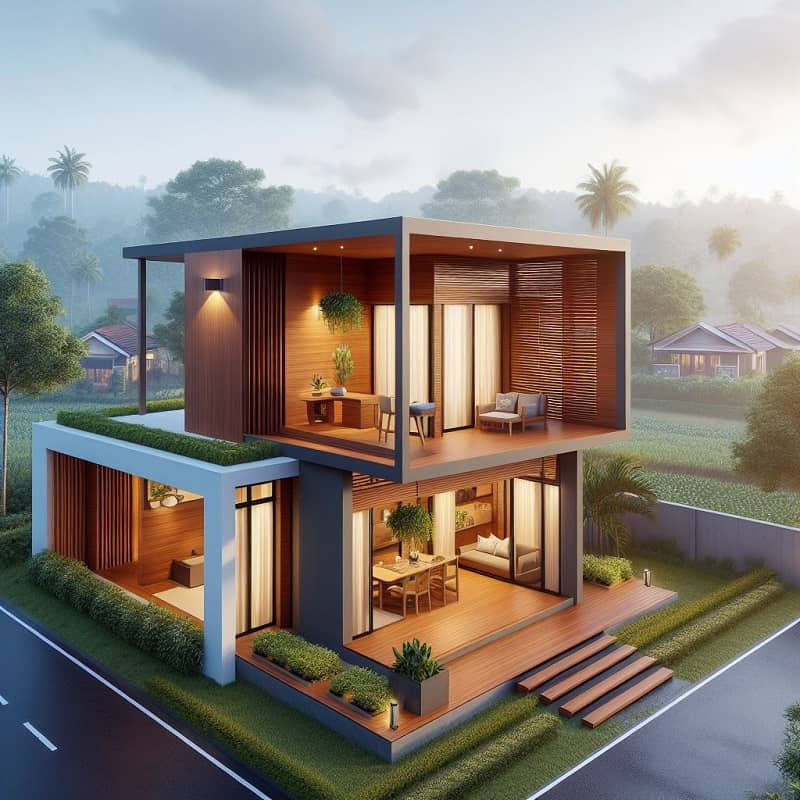
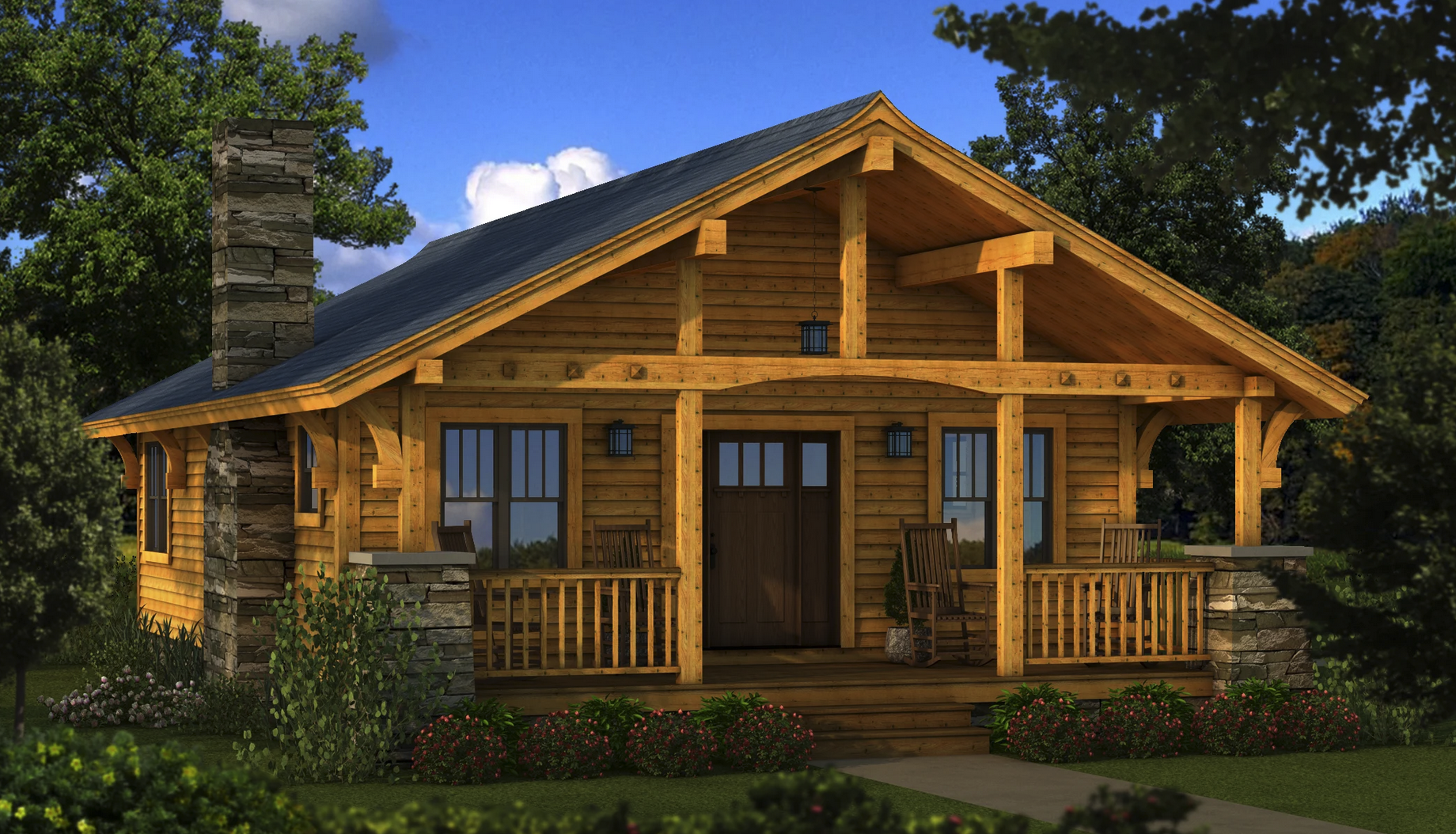
Assign two groups to each customer. The groups will ask questions together but then separate to do their individual work. The intent of this is to see how two groups who gathered the same information may approach work differently.
Instructions to give to the customers:
Stage 1 - Waterfall Model: The attendees will break up into 4 groups - two groups assigned to each customer (you). You each will be given a picture of a house. WITHOUT SHOWING THEM THE PICTURE, you will describe the requirements for the house in the picture to them. Start really basic / high level / vague like customers sometimes do. “I want you to build me a house.” The attendees should then start asking you questions about the house: “How tall? How many windows and doors?” (etc. etc.) They have 6 minutes to gather the requirements. Then they aren’t allowed to talk to you again while they build the house. After their design and implementation, they show you their “completed” house. You provide feedback on what is wrong, what is right, etc.
The Agile Methodology
Agile Development
Suggested break point
If you teach this lesson in two parts, this is the natural place to take your break. Session 1 ends here (Introduction through the Scrum/Kanban/MoSCoW theory); the Scrumban exercise below opens Session 2 while attendees are fresh, since it needs an uninterrupted block of time to succeed. See the Instructor Notes for the full schedule.
Instructor Note
Choose two people to act as customers (either two of the attendees or other instructors/TAs). Assign one of them as “Customer 1” and the other as “Customer 2”.
Show them the appropriate images:
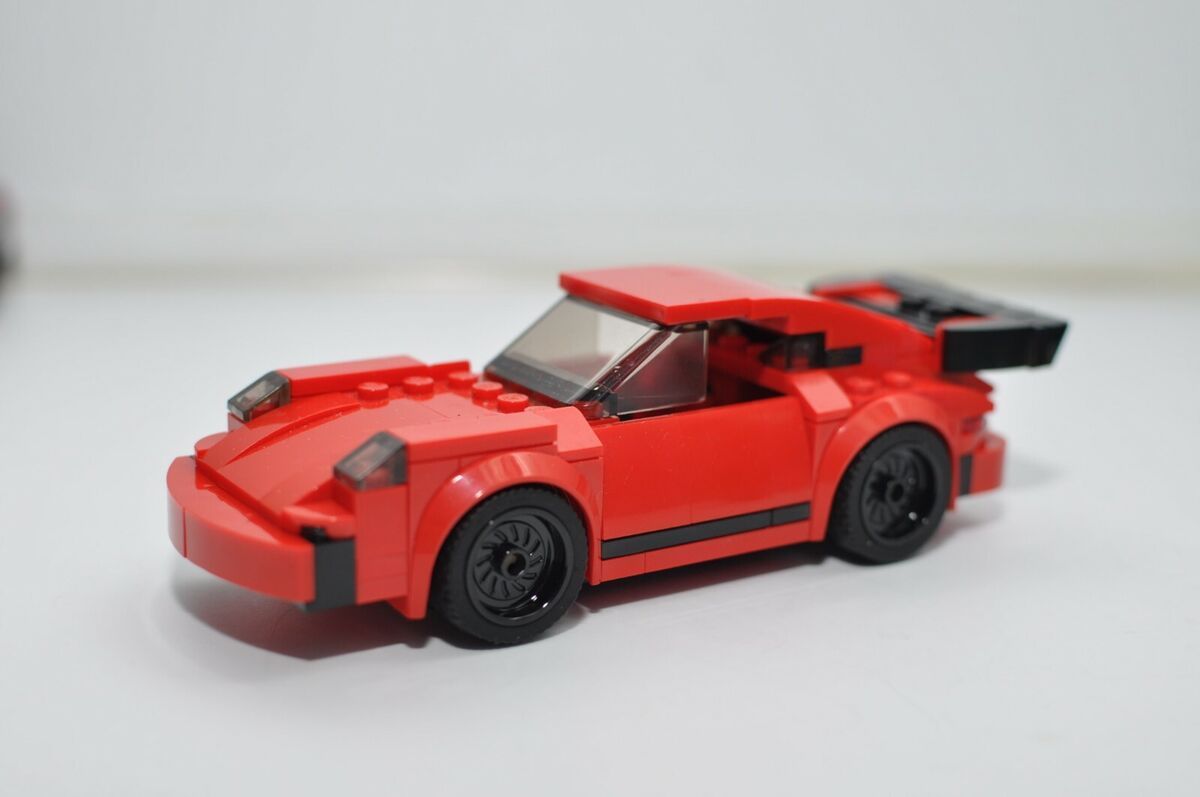
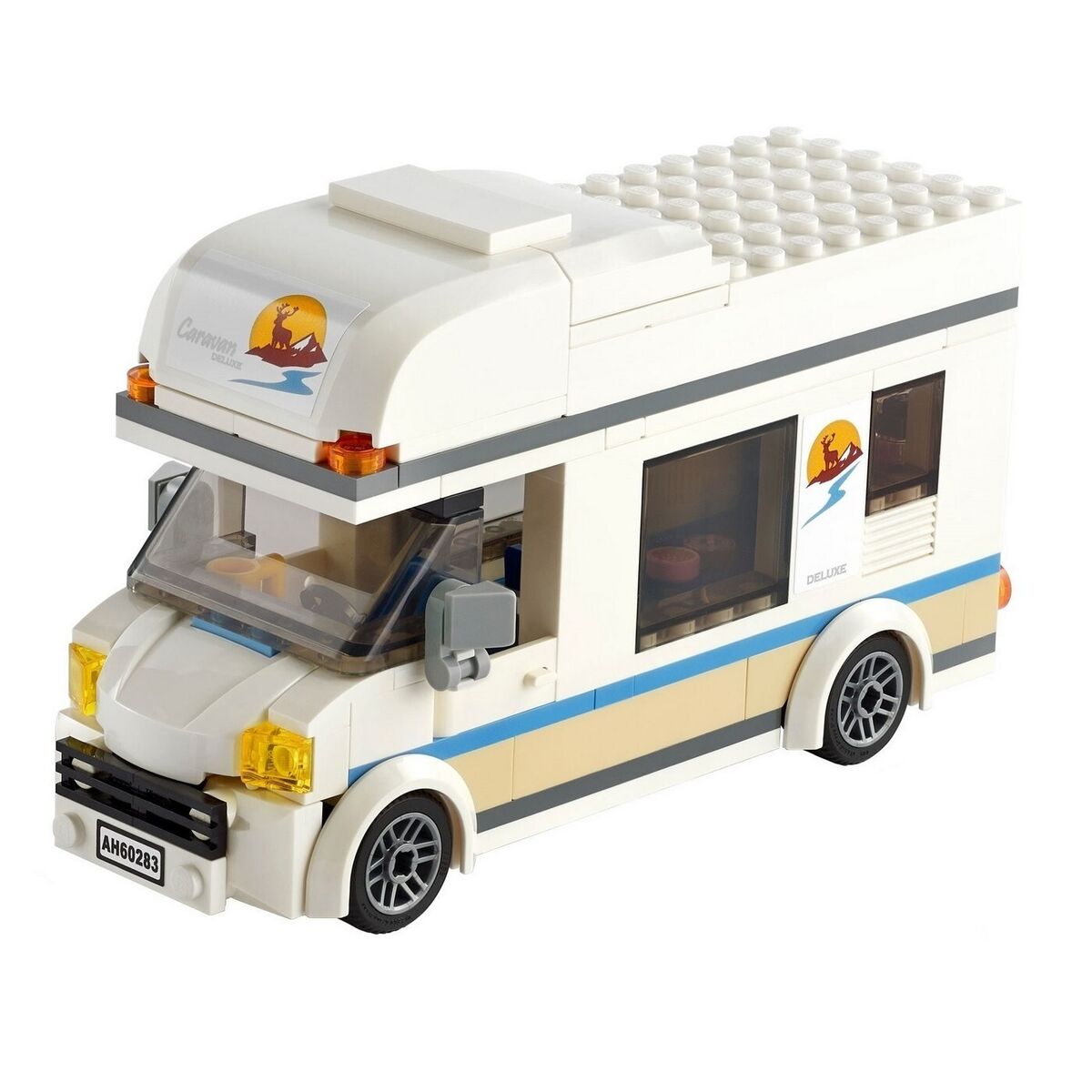
Assign two groups to each customer. The groups will ask questions together but then separate to do their individual work. The intent of this is to see how two groups who gathered the same information may approach work differently.
Instructions to give to the customers:
Stage 2 - Agile Methodology / Scrumban: The attendees will break up into 4 groups - two groups assigned to each customer. You will be given a picture of a car. WITHOUT SHOWING THEM THE PICTURE, you will describe the requirements for the car in the picture to them. Start really basic / high level / vague like customers sometimes do. “I want you to build me a car.” The attendees should then start asking you questions about the house: “How many wheels? How many windows and doors?” (etc. etc.) They don’t get as much time for this - only 4 minutes. Then they go through a Kanban board task writing / backlog creation stage for 4 minutes. They will then do a “sprint” / iteration (about 8 minutes each: 2 min plan, 4 min build, 2 min review) and try to get something created. They bring it back to you. You tell them what’s right / wrong. They adjust their Kanban board / plan their next “sprint” (repeat for three total iterations). The slightly longer planning time is intentional — prioritizing and re-planning between sprints is the core skill this exercise teaches.